
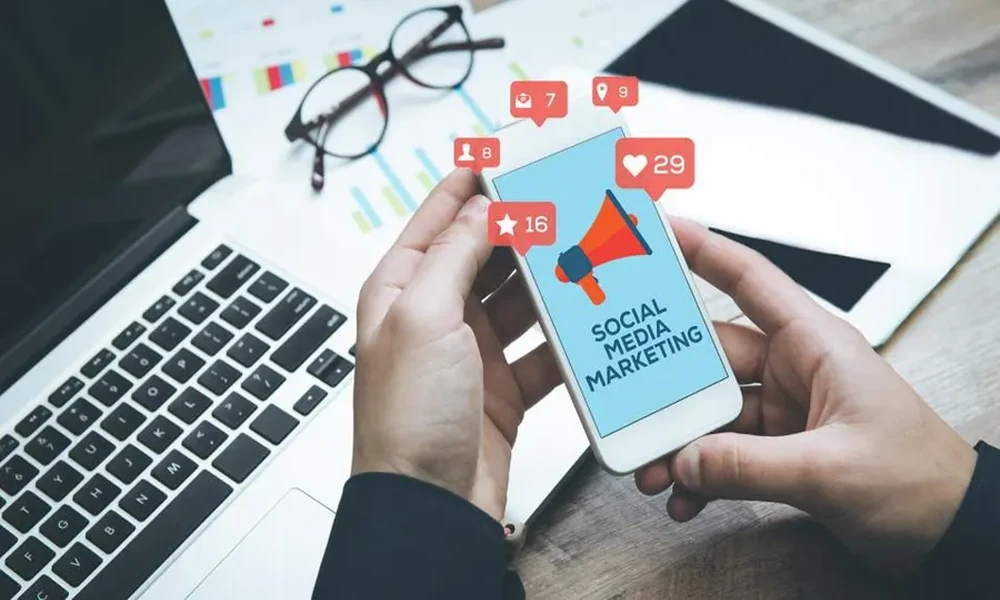

If you’ve ever wondered why your competitor’s Instagram page seems to be everywhere while yours barely gets a handful of likes, the answer usually comes down to one thing: strategy. Social media marketing isn’t about posting a nice photo and hoping for the best. It’s a structured effort to build a brand, connect with the right audience, and turn followers into customers.
Understanding Social Media Marketing
At its core, social media marketing is the use of platforms like Instagram, Facebook, LinkedIn, and YouTube to promote a business, build relationships, and drive sales. Good social media marketing services go far beyond scheduling posts. They involve research, creative planning, performance tracking, and constant adjustment based on what the audience actually responds to.
Businesses that treat social media as an afterthought usually see it too – inconsistent posting, generic captions, and zero engagement. On the other hand, brands that invest in proper social media management tend to build communities that trust them, which eventually translates into repeat business and referrals.
Why It Matters More Than Ever in 2026
Consumers now spend hours every day scrolling through their feeds, and a large chunk of purchase decisions start with a social media search rather than Google. People check reviews, comments, and recent posts before they decide to buy. If your business isn’t visible or active, potential customers may simply assume you’re not credible or not around anymore.
This is exactly why a well-thought-out social media content strategy has become non-negotiable. It’s not just about visibility – it’s about shaping how people perceive your brand before they ever speak to your sales team.
Choosing the Right Platforms
Not every business needs to be on every platform. A B2B software company will likely get more value from LinkedIn than from Instagram Reels, while a fashion brand might see the opposite. Figuring out the best social media platforms for marketing your specific business is one of the first decisions that shapes everything else – your content style, posting frequency, and even the tone of voice you use.
A few things to consider when picking platforms:
- Where does your target audience actually spend time?
- What type of content performs best there – video, images, or text?
- Do you have the resources to maintain consistent activity?
Spreading yourself thin across five platforms with weak content usually performs worse than doing two platforms really well.
Building Blocks of a Strong Social Presence
A solid social media presence usually includes a content calendar, a mix of promotional and value-driven posts, active community engagement, and regular performance reviews. It also means staying on top of trends without losing your brand’s identity – jumping on every trend isn’t always the right move if it doesn’t align with what your business stands for.
Many businesses eventually realise that managing this in-house, alongside daily operations, becomes tough to sustain. That’s when outsourcing to professional online marketing services starts to make sense – not because internal teams aren’t capable, but because dedicated specialists can focus entirely on strategy, creative execution, and analytics without the day-to-day distractions.
Measuring What Actually Works
Likes and followers look nice, but they don’t pay the bills. What matters is tracking metrics that tie back to business goals – website clicks, lead form submissions, inquiries, and actual conversions. A good social media strategy reviews this data regularly and adjusts course instead of repeating the same approach month after month regardless of results.
Common Mistakes Businesses Make
A few patterns show up again and again with brands that struggle on social media. Posting only when there’s a sale to announce, ignoring comments for days, using the exact same caption style across every platform, and never checking analytics are among the most common. None of these mistakes are hard to fix once you’re aware of them, but they’re easy to fall into when social media gets treated as a low-priority task squeezed in between everything else running a business demands.
Another overlooked issue is inconsistency in visual branding – different fonts, colours, or tones across posts make a page feel disorganised, even if individual posts look fine on their own. Small, consistent choices in design and voice add up to a much more recognisable, trustworthy brand presence over time.
Final Thoughts
Social media marketing in 2026 is less about being everywhere and more about being intentional. It’s about knowing your audience, picking the right platforms, creating content that resonates, and measuring results honestly. Whether you handle it in-house or bring in outside expertise, the businesses that treat social media as a serious growth channel – not a side task – are the ones that end up winning attention, trust, and eventually, customers.
_________________________________________________________
2
How to Choose the Best Social Media Marketing Agency for Your Business
Picking a social media partner can feel a bit like dating – you see a polished profile, some impressive numbers, and a confident pitch, but you don’t really know how things will work out until you’re a few months in. Since your brand’s online reputation is on the line, it’s worth slowing down and asking the right questions before signing anything.
Start With Their Own Presence
It might sound obvious, but check how the agency manages its own social pages. If a company claims to be the best social media marketing agency in the business yet their own Instagram hasn’t posted in two months, that’s a red flag worth noting. Their own content quality, consistency, and engagement give you a fairly honest preview of what you can expect.
Look Beyond the Portfolio
Case studies and portfolios are useful, but they only tell part of the story. Ask specific questions: What was the client’s goal? What results did they actually achieve, and over what time frame? Agencies that hire social media marketing experts with real strategic thinking will usually have detailed answers, not just vague claims like “we grew their followers.”
Also ask how they approach businesses similar to yours. A restaurant’s social strategy looks very different from a B2B consulting firm’s, so industry experience matters more than people often assume.
Understand Their Process
A trustworthy team of social media marketing experts should be able to explain, in plain language, how they plan content, how often they post, how they handle approvals, and how they report performance. If the answers feel rehearsed or overly technical without substance, that’s usually a sign they’re better at selling than delivering.
Good agencies typically follow a structured process: audience research, content planning, creation, scheduling, community engagement, and monthly reporting. If any of these steps are missing from their pitch, ask why.
Compare Pricing With Realistic Expectations
Cheap social media marketing services often mean templated content and minimal strategy behind it. On the other end, the most expensive option isn’t automatically the best either. What you want is transparency – a clear breakdown of what’s included, how many posts per month, what platforms are covered, and whether paid advertising is part of the package or billed separately.
If you’re also exploring a broader digital marketing company in India for services beyond social media, ask whether they offer bundled packages, since combining SEO, website work, and social media under one roof often works out more cost-effective and better coordinated than juggling multiple vendors.
Ask About Communication and Reporting
Some agencies disappear after the contract is signed and only resurface at renewal time. Before committing, ask how often you’ll get updates, who your point of contact will be, and what a typical monthly report looks like. Regular, honest reporting – including when something isn’t working – is a much better sign than an agency that only shows you good news.
Red Flags Worth Watching For
A few warning signs tend to repeat across agencies that don’t deliver. Locked-in long-term contracts with no easy exit clause, reluctance to share past client contacts, and reporting that only ever shows positive numbers with no context are all worth questioning. Similarly, be cautious of anyone who won’t explain how they measure success beyond follower counts, since vanity metrics rarely correlate with actual business growth.
It also helps to ask who will personally handle your account day-to-day, rather than just meeting the senior team during the sales pitch. Sometimes the people who impress you in the first meeting aren’t the ones actually managing your content once the contract is signed, so it’s worth clarifying this upfront.
Trust Your Gut, But Verify It
If something feels off during initial conversations – vague answers, pushy sales tactics, unrealistic promises like “guaranteed viral growth” – it’s usually worth listening to that instinct. Combine it with references from existing clients, and you’ll have a fairly clear picture of whether this agency is the right long-term partner.
Final Thoughts
Choosing a social media agency is a decision that affects how your brand is perceived publicly, every single day. Take the time to vet properly, ask uncomfortable questions, and don’t be afraid to negotiate terms that work for your business. The right partner will welcome the scrutiny – it’s usually the wrong ones who rush you to sign.
__________________________________________________________ 3
Paid Social Media Advertising vs Organic Marketing: Which Delivers Better ROI?
Every business owner eventually asks this question: should I spend money on ads, or just keep posting and let things grow naturally? The honest answer is that it depends on your goals, timeline, and budget – but understanding the real differences helps you make a smarter call instead of guessing.
What Organic Marketing Actually Offers
Organic social media growth relies on consistent, valuable content that earns engagement without paid promotion. It builds trust over time and tends to create a more loyal audience, since people are following you by choice rather than being served an ad. The catch is that it’s slow. Algorithms on most platforms limit organic reach, meaning even a well-crafted post might only be seen by a small percentage of your existing followers.
Organic marketing works best as a long game – building brand credibility, answering audience questions, and staying visible without a direct ask for a sale every time.
Where Paid Social Media Advertising Wins
Paid social media advertising flips the equation. Instead of waiting for reach to happen naturally, you’re paying to put your content directly in front of a specific, targeted audience. This is particularly powerful when you need fast results – a product launch, a seasonal sale, or lead generation for a new service.
Platforms allow incredibly precise targeting based on interests, behaviour, location, and even past interactions with your website. For businesses that rely on quick conversions, especially in e-commerce, social media advertising for ecommerce has become one of the most reliable ways to drive immediate traffic and sales, since ads can be shown to people who’ve already browsed your products but didn’t complete a purchase.
Comparing the ROI Realistically
Organic content typically costs less in direct spend but requires more time, consistency, and creative effort to see meaningful results. Paid campaigns cost money upfront but can generate measurable, trackable returns much faster – you know exactly how much you spent and what it generated in clicks, leads, or sales.
The mistake many businesses make is treating these as an either-or decision. In reality, the strongest results usually come from combining both. Organic content builds the brand story and trust, while paid ads accelerate reach and conversions for specific goals like a product launch or event promotion.
The Role of Proper Campaign Management
Running ads without a clear strategy is one of the fastest ways to waste a marketing budget. Effective social media campaign management involves testing different audiences, creatives, and messaging, then doubling down on what actually performs instead of running the same ad indefinitely. Small adjustments – a different image, a shorter caption, a clearer call to action – can significantly change results.
This is where working with a professional digital advertising company can make a real difference, particularly if you don’t have the internal bandwidth to monitor campaigns daily and optimise them based on live data.
A Practical Way to Split Your Budget
A reasonable starting point for many small and mid-sized businesses is allocating a majority of the marketing budget toward paid campaigns in the early stages, when brand awareness is low and immediate leads matter most, while gradually shifting a larger share toward organic content as the brand builds recognition and a loyal following. This ratio isn’t fixed – it should shift based on what your monthly reporting actually shows about which channel is driving real business results.
It also helps to set aside a small testing budget separate from your main campaign spend, specifically for trying new formats, audiences, or creative angles. This way, experimentation doesn’t put your core, proven campaigns at risk while you figure out what else might work even better.
So, Which One Should You Choose?
If you’re a new business trying to build long-term credibility, organic content deserves serious investment. If you need quick, measurable results – especially for sales-driven goals – paid advertising is usually the faster path. Most successful brands don’t pick one over the other; they use organic content to build trust and paid campaigns to accelerate growth at the right moments.
Final Thoughts
There’s no universal winner between paid and organic social media marketing – the right mix depends on your business stage, goals, and budget. What matters most is measuring performance honestly and adjusting your approach based on actual data, not assumptions about what should be working.
4
How Social Media Content Strategy Drives Brand Growth and Engagement
Posting regularly on social media without a clear plan is a bit like talking without knowing who’s listening. You might get occasional attention, but it rarely builds into something meaningful. A proper content strategy changes that – it turns random posting into a system that actually moves your business forward.
Why Strategy Beats Randomness
Many businesses post whenever they remember to, often sharing whatever feels easiest – a product photo, a generic quote, maybe a festival greeting. This approach might keep the page technically active, but it rarely builds engagement or trust. A defined social media content strategy sets clear goals for each post, whether that’s education, entertainment, trust-building, or direct promotion, and balances these types intentionally rather than leaving it to chance.
Knowing Your Audience Before Creating Content
Before a single post gets made, understanding who you’re actually talking to matters enormously. What questions do your potential customers ask before buying? What problems are they trying to solve? Content that speaks directly to these needs performs far better than generic posts that could belong to any brand in your industry.
This is also where reliable social media content creation services add real value – not just producing visually appealing posts, but crafting messaging that’s rooted in genuine audience research rather than guesswork.
Consistency Builds Trust
Audiences notice patterns. A brand that posts sporadically – active for two weeks, then silent for a month – comes across as unreliable, even if the actual content quality is good. Reliable social media management means maintaining a steady rhythm, so your audience knows when to expect content and gradually builds familiarity with your brand voice.
Consistency doesn’t mean posting five times a day. It means showing up reliably, whether that’s three times a week or daily, and sticking to it long enough for the audience to notice.
Engagement Is a Two-Way Street
A content strategy isn’t just about what you post – it’s also about how you respond. Replying to comments, acknowledging messages, and participating in conversations around your niche all contribute to how engaged your community feels. Brands that treat social media as a broadcast channel, ignoring comments and questions, tend to see engagement drop over time, no matter how good their content looks.
Tying Content to Business Goals
Good content strategy always connects back to actual business outcomes. This is often managed through structured social media campaign management, where specific content pushes – like a seasonal offer or product launch – are planned with clear objectives, timelines, and measurement in place, rather than posted in isolation.
Repurposing Content Across Formats
One of the most efficient habits a marketing team can build is repurposing a single strong idea into multiple formats. A detailed how-to post can become a short video, a carousel, a few standalone tips, and an email newsletter section, all from one round of research and writing. This approach saves significant time compared to creating entirely new content for every single post, while also reinforcing key messages across different touchpoints where your audience might see them.
It also helps maintain consistency, since the core message stays the same even as the format changes to suit each platform’s strengths – short punchy videos for Reels, more detailed breakdowns for LinkedIn, and visually driven carousels for Instagram.
Don’t Forget the Bigger Picture
Interestingly, a strong content strategy doesn’t operate in a silo. Blog content, website updates, and even website SEO optimization often tie back into what’s being shared on social platforms. A well-written blog post, for instance, can be repurposed into several social posts, and traffic driven from social media can support broader search visibility goals when the website itself is optimised properly.
Final Thoughts
Brand growth on social media rarely happens by accident. It comes from understanding your audience, staying consistent, engaging genuinely, and connecting every post back to a bigger business goal. Businesses that invest the time – or the right expertise – into building this strategy tend to see engagement and growth that actually compounds over time, rather than fizzling out after a few months.
5
What Does a Digital Marketing Company Do? A Complete Guide
If you’ve never worked with one before, the phrase “digital marketing company” can sound vague – almost like a catch-all term for anything involving the internet. In reality, these companies handle a specific set of services designed to help businesses grow their online presence, attract customers, and increase revenue.
The Core Services They Typically Offer
Most agencies bundle several services together, since online growth rarely comes from just one channel. A typical digital marketing company in India might offer search engine optimisation, paid advertising, social media management, content creation, email marketing, and website development – all working together rather than in isolation.
The idea is that these pieces reinforce each other. SEO drives long-term organic traffic, paid ads generate quicker results, social media builds brand trust, and email marketing nurtures existing leads into paying customers.
Strategy Comes Before Execution
A good agency doesn’t just start posting ads or writing blog content on day one. The process usually begins with research – understanding your industry, competitors, target audience, and current online presence. This research shapes the strategy, which then determines which specific SEO services or advertising campaigns make sense for your particular business.
Skipping this step is one of the most common reasons digital marketing efforts fail. Running generic campaigns without understanding the business first rarely produces meaningful results.
Search Engine Optimisation
SEO remains one of the most requested services, and for good reason – it builds long-term, sustainable traffic that doesn’t disappear the moment you stop paying for ads. This includes technical improvements to your website, content creation targeting relevant search terms, and building credibility through backlinks and local listings.
Paid Advertising and Social Media
Beyond organic efforts, most agencies also manage paid campaigns across Google, Meta, and other platforms, alongside day-to-day social media management. These channels typically deliver faster visibility, which works well alongside the slower, more sustainable results SEO provides over time.
Why Businesses Choose to Outsource This
Handling all of this internally requires a fairly large, specialised team – someone for SEO, someone for ads, a content writer, a designer, and someone to tie it all together strategically. For most small and mid-sized businesses, that’s simply not practical. This is exactly why so many companies choose to work with online marketing services instead, getting access to an entire team’s expertise without the overhead of hiring each specialist individually.
Whether you’re looking for the best digital marketing company in India or evaluating a smaller local firm, understanding what services actually matter for your specific goals helps you avoid paying for things you don’t need, while making sure the essentials – like SEO and content – get proper attention.
Questions Worth Asking Before You Sign
Before committing to any agency, it helps to ask a few pointed questions: How will progress be measured, and how often will you receive updates? Who exactly will be working on your account, and what’s their relevant experience? Is content creation, like graphics or video, included, or billed separately? What happens if a campaign underperforms – is there a plan to adjust, or do you simply keep paying for the same approach?
Getting clear, specific answers to these questions upfront tends to prevent a lot of frustration later, and it also gives you a fairly good sense of how transparent and organised the agency actually is, beyond what their sales pitch presents.
What to Expect From a Good Partnership
A reliable digital marketing firm in India will typically provide regular reporting, clear communication about what’s working and what isn’t, and a strategy that evolves based on actual performance data rather than staying static for months. If an agency can’t clearly explain what they’re doing and why, that’s usually worth questioning.
Final Thoughts
A digital marketing company essentially acts as your outsourced growth team – planning strategy, executing campaigns across multiple channels, and continuously refining the approach based on results. Understanding what these companies actually do helps you set realistic expectations and choose a partner whose services genuinely align with your business goals.